Basler Simplifies Lens and Lighting Control via the Camera
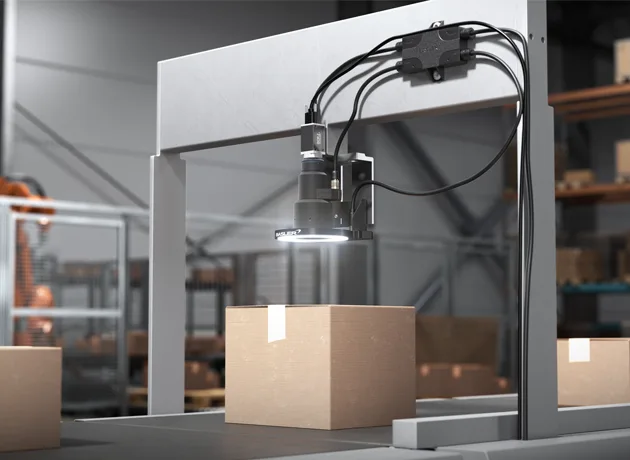
Basler simplifies machine vision integration by enabling simultaneous lens and lighting control directly through the camera. A single connection, one SDK, and fewer hardware components make vision systems easier to integrate, synchronize, and operate.
Unified Control of the Entire Vision System
Conventional machine vision systems often require separate controllers, cables, and software interfaces to operate the camera, lens, and lighting. Basler‘s new modular approach brings these functions together through the camera itself.
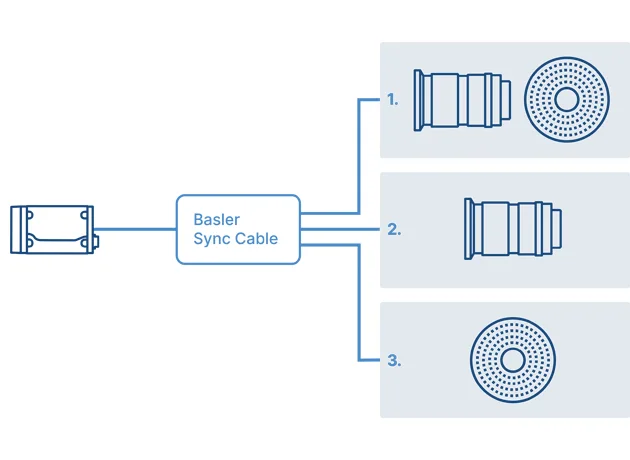
The Basler Sync Cable connects the camera, lens, and lighting using a single camera I/O line. All components can be controlled through one software development kit (SDK), such as Basler pylon, using the GenICam standard.
This unified approach reduces system complexity, simplifies integration, and enables precise synchronization without additional external controllers.
Modular Design for Different Applications
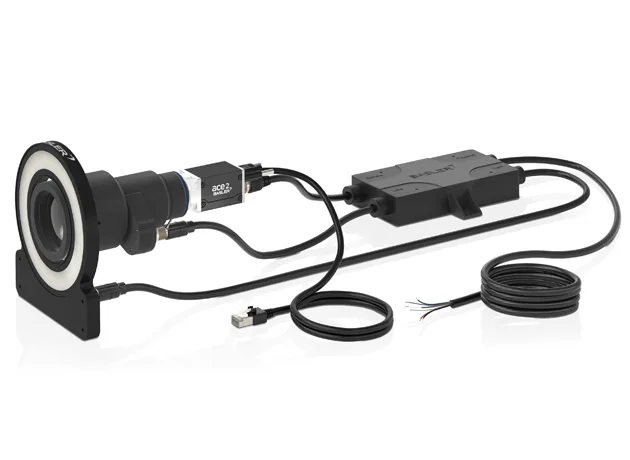
Users can configure their vision system to meet specific application requirements by combining:
- Cameras: Basler ace 2 or boost R.
- Lenses: Computar motorized lenses or Optotune liquid lenses.
- Lighting: Suitable LED lighting from Basler’s portfolio.
- Connectivity: Basler Sync Cable for lens control, lighting control, or both.
Functions such as autofocus and strobe illumination can be configured through a single software interface. Control commands are transmitted bidirectionally via one camera I/O line, leaving one GPIO line and one opto-input available for additional devices.
Reliable Detection Under Changing Conditions
Less Integration Effort, More Focus on the Application
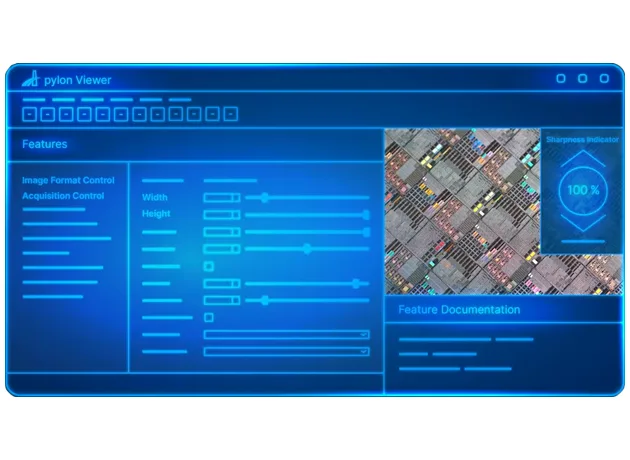
By combining camera, lens, and lighting control, Basler reduces the need for additional hardware and software. The standardized GenICam interface allows components from different manufacturers to be controlled through the same API, while the modular design makes it easier to adapt the system to different requirements.
Vision engineers can therefore spend less time integrating and synchronizing individual components and more time optimizing their machine vision applications.
Want to know more?
Fill out the contact form and we will get back to you shortly.
Don’t miss any news.
Subscribe to our newsletter!